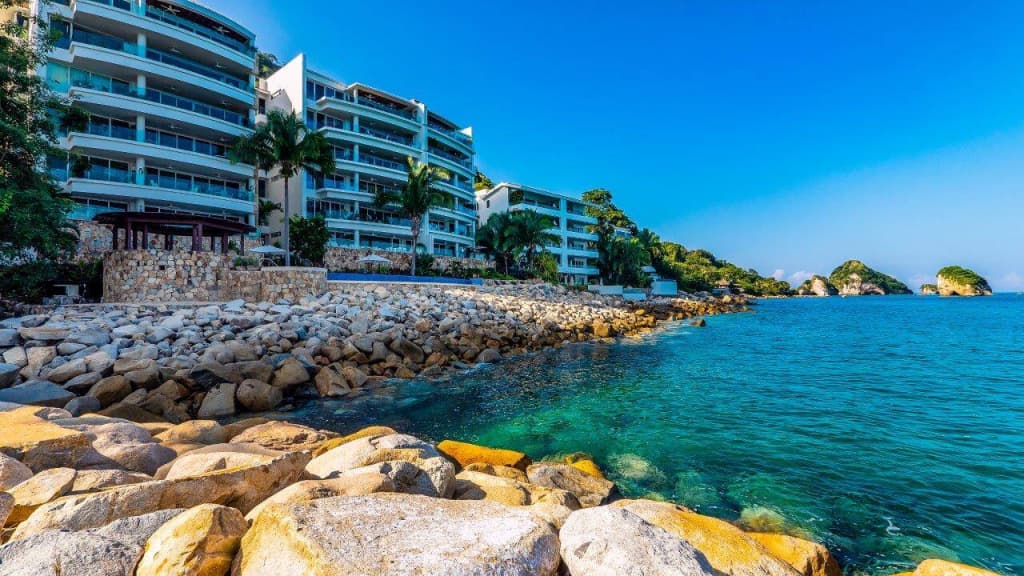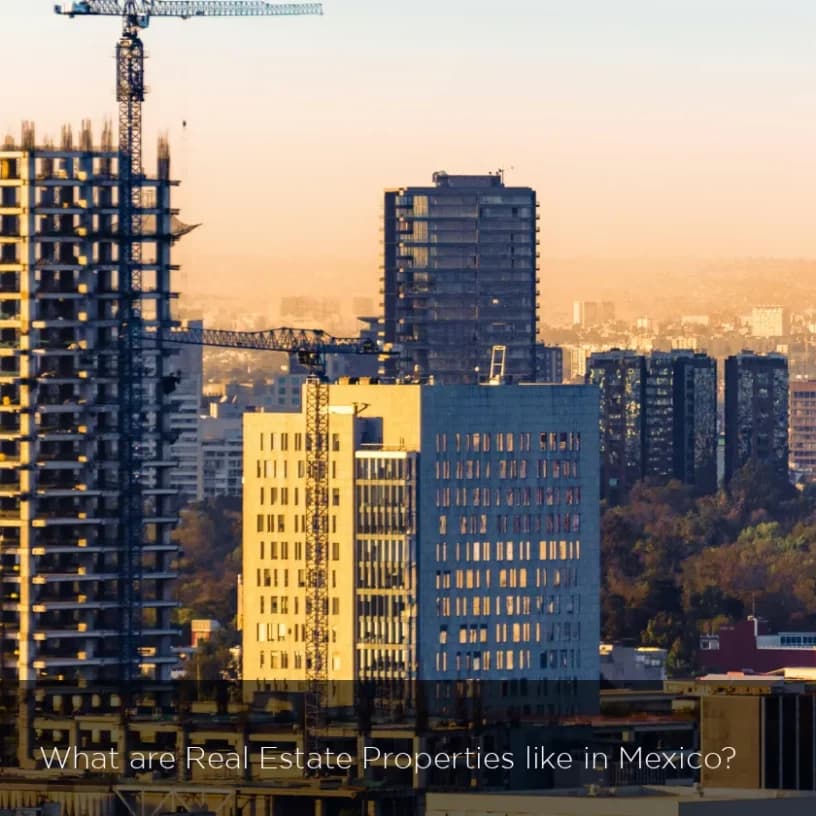
Mexico has a broad choice of properties for investors, such as beachfront vacation houses, cottages, townhouses, apartments, condominiums, and vacant lots. Properties in Mexico are more affordable compared to the United States. The average price of a property in Mexico ranges from $100,000 or $1 million. In Mexico, there are different types or styles of Houses, such as Hacienda Ranch, Mission Style, Spanish Villas, Modern Adobe, and Low Income Housing. Houses in Mexico vary from one another through structure, materials, and legacy. Some homes, like Spanish Villas and Mission Style, are different from the other types of houses because of the influence of Spanish structural design. Mexican house style encompasses much more than symbols such as chili peppers and big hats. Mexican homes are known for their warm and welcoming ambiance and intricate interior decor elements. In terms of interior design, the style is rich and full of tiny details that are easy to recognize and unique. Generally, Mexican architecture is originally eye-catching and beautiful. The use of shapes, color, and light makes Mexican architecture an exciting style. One of the most critical aspects of its architecture is its colors. Anyone is free to buy properties in Mexico, whether locals or foreigners, irrespective of their citizenship or nationality. Foreigners hold direct deeds to a property with the same rights and responsibilities as Mexican nationals. In restricted zones, foreigners control land through fideicomisos (bank trust agreements), with the same rights and duties as Mexican nationals. In Mexico there are no restrictions on owning a property in Mexico if the investor is a foreigner.
What are the Types of Houses in Mexico?
Mexican houses serve as visual and aesthetic representations of modern Mexican urban styles. Mexican places have a legacy of colonial architecture and the essence of pre-colonial adobe units. These houses feature vibrant colors, materials, and spatial arrangements, infused with flourishing vivaciousness with pieces of historical impression. The average price of a property in Mexico ranges from $100,000 or $1 million.
Listed Below are the Types of Houses in Mexico.
- Hacienda Ranch: Hacienda Ranch houses are one-story homes. It is generally significant and expensive over an ample land.
- Mission Style: Mission-style houses take inspiration from 18th-century Spanish cathedral structural design.
- Spanish Villas: Spanish Villas in Mexico are popular. Most of the houses in Mexico are inclined by the Latin state’s extended history with Spain.
- Modern Adobe: Modern Adobe is a contemporary home style in the city center urban parts.
- Low-Income Housing: Slum shacks comprise small shacks and tents put up and taken by low-income individuals.
Houses in Mexico vary from one another through structure, materials, and legacy. Some homes, like Spanish Villas and Mission Style, are different from the other types of houses because of the influence of Spanish structural design.
1. Hacienda Ranch
Hacienda Ranch is a type of house that usually has one-story style housing. Often, the units are found throughout Mexico and even in the southwestern regions of the United States. Generally, Hacienda Ranch is significant and expensive over ample land. Hacienda Ranch has large windows, deep sets, and high ceilings, inviting cool breezes to flow through the entire home. The walls are thick and heavy to keep out the heat. Most of these kinds of houses feature brick fireplaces, tile floors, and open-air yards or courtyards. Hacienda Ranch costs an average of $400 thousand to $1 million.
2. Mission Style
Mission Style houses take inspiration from the 18-century Spanish cathedral structural design. The structural design is found all over Mexico and in different places in the U.S. Mission Style typically has stucco or stone walls, arched walkways and ceilings, and red tile roofs. It frequently features intricate interior motifs utilizing bright shades like blues, reds, and yellows.
3. Spanish Villas
The Latin state’s extended history considerably inclines Spanish Villas with Spain. It is a type of house that is highly trendy in the U.S., and extravagant mansions are frequently visible in movies and games. To exemplify the Spanish villa approach, it consists of red tile tops ad white stucco portions. In terms of materials, the walls are stucco-plastered terracotta, whitewashed, or colored in vivid, lime-based paints, which helps prevent excessive fading in intense sunlight. In addition, windows are protected by elaborate iron exterior grates, and the street facade may be closed. Spanish Villas cost an average of $200 thousand to $3 million.
4. Modern Adobe
Modern Adobe is a contemporary home style in the city center urban parts. Modern Adobe houses are made from stucco or Adobe and encompass vigas and flat roofs that stick out from the external walls. Adobe or Sun-dried brick constructions originated in Aztec-style architecture when regular inhabitants resided in little huts with one or two rooms and minimal window openings. Modern Adobe is the most affordable among the lists, which costs an average of $100 thousand.
5. Low Income Housing
Low Income Housing comprise small huts and tents put up and taken by low income individuals. Slum shack homes exist on the borders of cities like Guadalajara and Mexico City. It includes small shacks and tents, which are put up and taken up by low-income individuals who have run off from the villages in current decades to look for improved lives in the cities.
What are the Residential Properties for sale in Mexico?
Properties for sale in Mexico?
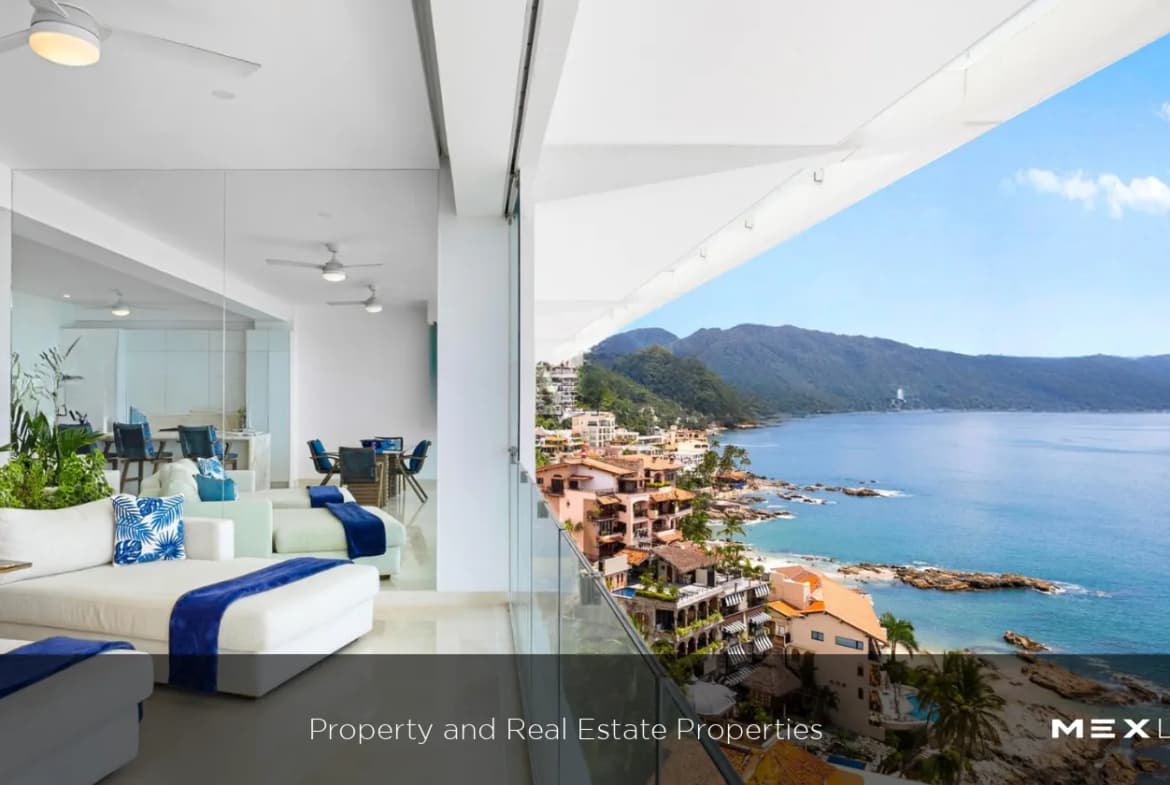
Mexico has a broad choice of properties for investors, such as beachfront vacation houses, cottages, townhouses, apartments, condominiums, and vacant lots. Owning a property in Mexico takes 2 to 3 months, and the maximum length of finalizing a contract is 90 days. However, the size of acquiring a property in Mexico depends on factors that affect the process. Furthermore, there are fees to pay aside from the total price of the Mexico residential properties during the process and after purchasing the property. The standard fees include legal and notary fees, bank trust fees, and taxes and duties. After buying the property, there are ongoing expenses, such as Mexico property tax, maintenance fees, land trust fees, and electric and water bill. Apart from that, there is an additional expense if the holder wants to renovate or remodel the property, including workers, engineers, designers, architects, a new set of furniture, and materials. Living in Mexico is a great experience. Mexicans are known to be genuinely friendly. Many people report positive lifestyle changes in Mexico, like walking more, eating healthier, and socializing more. There are many things to do in Mexico, such as visiting museums, cultural tours, beach tours, and enjoying the tasty food of Mexicans.
How did Mexico adapt from traditional to modern houses?
Traditional Mexican houses are being transformed by urbanization in rural areas, house policies, and the loss of environmental consciousness. Mexicans make several cultural subdivisions within the nation. The most common one identifies northern, central, and south or south-eastern Mexico. Another relevant cultural division is between the central template highlands (the altiplano), the much more humid mountainous regions (the sierras), and the coastal plains. Due to the influence of different cultures, the architecture of Mexico, in terms of Traditional Vs. Modern Houses in Mexico, are affected. Historically, traditional homes have relied on nature’s firm, natural, and durable materials. It is made using adobe construction with a thatch or palm roofing. In the 19th century, concrete was introduced to Mexican vernacular. It became a natural transition for Mexican architecture design, a more durable and robust material that acted similarly to adobe used in traditional houses.
How do the interiors of Mexico houses look?
Mexican style encompasses much more than symbols such as chili peppers and big hats. Mexican homes are known for a warm and welcoming ambiance and intricate interior decor elements. In terms of interior design, the style is rich and full of tiny details that are easy to recognize and unique. Mexican wall paint has warm colors, and for a bold look, it is rich with earth tones like brick or clay. Mexican design is eclectic, mixing rustic wood and wrought iron furnishing with over-the-top, bright, vivid colors. The interiors look to incorporate elements from the Spanish missionaries and conquistadors who came to colonize Mexico.
Why are Houses in Mexico Colorful?
Generally, Mexican architecture is originally eye-catching and beautiful. The use of shapes, color, and light makes Mexican architecture an exciting style. The colors are one of the most critical aspects of its architecture. In Mexico, different unimagined colors appear to reflect the warm and lively culture of their everyday living. The most common colors of houses in Mexico are yellow, orange, red, fuchsia, green, and blue. Colors are usually bright, creating a unique and cheerful look.
Are there historical houses in Mexico?
Yes, there are historical houses in Mexico. Historical homes in Mexico have become tourist spots and museums. Most historic houses are the birthplaces of some Mexican leaders and heroes. Some preserve the original structure, and others are near-exact replicas. One of the famous historical houses in Mexico is the Casa Borda or Borda House. The Borda House is located on 27,29 and 33 Madero Street and 28-18 Bolivar Street in the historic center of Mexico City. Originally, Borda House belonged to the Frenchman José de la Borda. José de la Borda was one of the wealthiest men in New Spain in the 18th century. Borda House stands out due to its notable architectural features, such as the sculpted stone decorative details on the first floor. Other historical houses in Mexico are worth visiting, such as Casa de Pancho Villa, Chautla Hacienda, Leon Trotsky House Museum, and more.
Can I decorate my house in Mexican style?
Yes, it is possible to decorate a house in Mexican Style. Mexican homes are characterized by a warm and welcoming ambiance and intricate interior decor elements. In terms of interior design, the style is rich and full of tiny details that are easy to recognize and unique. Mexicans use bright, vibrant colors for home decor because of their positive effect on their mood. The key when decorating a home in Mexican style is having an accent piece like pottery or ornate furniture. For a classic Mexican home, use decorative ceramic tiles for the kitchen’s backsplash, table, or countertops.
Can I buy a house in Mexico?
Yes, anyone, including foreigners, can own property in Mexico outside the restricted zones, 50 kilometers from shorelines and 100 kilometers from international borders. Foreigners hold direct deeds to a property with the same rights and responsibilities as Mexican nationals. In restricted zones, foreigners control land through fideicomisos (bank trust agreements), with the same rights and duties as Mexican nationals. In Mexico there are no restrictions on owning a property in Mexico if the investor is a foreigner. There are six main real estate investment requirements in Mexico, including the Fideicomiso, copy of real estate title, investor’s information, beneficiary information, signed contract of the deal, and trust deed. After all the requirements in a real estate investment are complete, it begins the closing process. In addition, Mexico has different real estate investments to choose from, such as apartments, beachfront, condominiums, and houses. The most popular real estate investment in Mexico is condominiums and homes, especially those beachfront properties with access to the beach. Anyone can buy properties in Mexico, irrespective of their citizenship or nationality, whether locals or foreigners.
What is the difference between House and Villa in Mexico?
The most noticeable difference between a house and a villa is the size of the building. A villa is a term used to describe a condominium or other type of residence owned by a homeowners’ association (HOA). Unlike large, grand mansions, villas are sometimes semi-detached properties where residents share a common wall with another residence. Some villas are detached, depending on the community. Some villa communities may be gated or may offer amenities such as pools, clubhouses, or tennis courts. Houses in Mexico are called “Casas.” Usually, houses are family homes located in residential areas either next to a public road or within a gated community. The culture of Mexicans is more seen in Mexico House Vs. Villa, because other culture influences the structure of the Villa.