Home Riviera Nayarit Best Time to go to Riviera Nayarit
August 25, 2026     Read Time 17 minutes.

Best Time to go to Riviera Nayarit

Contact Us Get Help Now

The best months to visit Riviera Nayarit are November through April, when warm temperatures, lower rainfall, and comfortable humidity support beaches, sightseeing, hiking, sailing, golf, and other outdoor activities. December through March represents the busiest winter travel period, with strong demand for hotels and resorts and prime conditions for seasonal whale watching. November and April provide warm, relatively dry weather around the edges of peak season, while May brings hotter conditions and warmer ocean temperatures before the wetter summer period begins. Travelers seeking the strongest overall balance of pleasant weather and outdoor access generally favor January, February, March, and April. 

What is the Weather in Riviera Nayarit in January?

Why January is the Perfect Winter Escape?

January offers dry, mild weather that suits beaches, sightseeing, and outdoor recreation. Comfortable daytime temperatures, low rainfall, and cooler evenings make January one of the most pleasant months for visiting Riviera Nayarit.

  • Temperature: 61–81°F (16–27°C)
  • Ocean Temperature: 76°F (24°C)
  • Rainfall: Low (about 0.7 inches/17 mm)
  • Humidity: Moderate (about 78%)

Key Factors to Consider

  • Mild Temperatures: Daytime temperatures reach about 81°F (27°C), while evenings cool to around 61°F (16°C).
  • Humpback Whales: January falls within the main whale watching season around Banderas Bay and the Riviera Nayarit coastline.
  • Low Rainfall: Dry conditions support reliable beach days, hiking trips, sailing excursions, and sightseeing.
  • Comfortable Ocean: Pacific water temperatures near 76°F (24°C) remain suitable for swimming and water activities.
  • High Season: Winter travel demand raises resort occupancy, airfare, and accommodation prices.

January is Best For:

  • Beach relaxation
  • Whale watching tours
  • Hiking and outdoor excursions
  • Golf and sailing
  • Sightseeing 

What is the Weather in Riviera Nayarit in February?

Why February is Ideal for Warm, Dry Weather?

February offers warm, dry conditions that suit beaches, whale watching, hiking, and outdoor recreation. Comfortable daytime temperatures, low rainfall, and pleasant ocean conditions make February one of the strongest months for exploring Riviera Nayarit.

  • Temperature: 63–81°F (17–27°C)
  • Ocean Temperature: 75°F (24°C)
  • Rainfall: Low (about 0.5 inches/12 mm)
  • Humidity: Moderate (about 78%)

Key Factors to Consider

  • Warm Temperatures: Daytime temperatures reach about 81°F (27°C), while nighttime temperatures fall to around 63°F (17°C).
  • Whale Watching: February remains within the main humpback whale watching season around Banderas Bay and the Riviera Nayarit coastline.
  • Low Rainfall: Dry conditions support beach trips, hiking, sailing, sightseeing, and birdwatching.
  • Comfortable Ocean: Pacific water temperatures near 75°F (24°C) remain suitable for swimming and water activities.
  • Winter Travel Demand: February remains part of the popular winter travel season, which increases resort occupancy and accommodation demand.

February is Best For:

  • Whale watching tours
  • Beach relaxation
  • Birdwatching
  • Hiking and outdoor excursions
  • Sailing
  • Cultural festivals

What is the Weather in Riviera Nayarit in March?

Why March is Excellent for Sightseeing and Outdoor Activities?

March offers warm, sunny weather with very little rainfall, creating favorable conditions for sightseeing and outdoor recreation. Comfortable daytime temperatures, lower humidity, and dry weather support long days at beaches, golf courses, hiking routes, and coastal attractions.

  • Temperature: 63–82°F (17–28°C)
  • Ocean Temperature: 75°F (24°C)
  • Rainfall: Very low (about 0.2 inches/6 mm)
  • Humidity: Moderate (about 76%)

Key Factors to Consider

  • Warm Temperatures: Daytime temperatures average about 82°F (28°C), while nighttime temperatures stay near 63°F (17°C).
  • Very Low Rainfall: March receives around 0.2 inches (6 mm) of rainfall, supporting reliable outdoor plans.
  • Whale Watching: March remains suitable for whale watching during the later part of the seasonal migration period.
  • Comfortable Ocean: Ocean temperatures near 75°F (24°C) remain favorable for swimming, sailing, and beach recreation.
  • Outdoor Conditions: Sunny weather supports hiking, golf, sightseeing, and coastal excursions.

March is Best For:

  • Sightseeing
  • Hiking
  • Beach relaxation
  • Whale watching
  • Golf
  • Sailing

What is the Weather in Riviera Nayarit in April?

Why April is Perfect for Dry-Season Travel?

April offers warm temperatures and exceptionally dry weather, making the month favorable for beaches, sightseeing, and outdoor recreation. Minimal rainfall provides dependable conditions for hiking, golf, boating, and coastal travel, although Semana Santa increases visitor numbers during the holiday period.

  • Temperature: 66–84°F (19–29°C)
  • Ocean Temperature: 76°F (24°C)
  • Rainfall: Very low (about 0.1 inches/2 mm)
  • Humidity: Moderate (about 76%)

Key Factors to Consider

  • Warm Temperatures: Daytime temperatures reach about 84°F (29°C), while nighttime temperatures average around 66°F (19°C).
  • Minimal Rainfall: April receives about 0.1 inches (2 mm) of rainfall, making outdoor plans highly reliable.
  • Comfortable Ocean: Pacific water temperatures near 76°F (24°C) support swimming, boating, and beach activities.
  • Semana Santa Travel: Holy Week attracts larger domestic crowds to beaches, resorts, and coastal towns.
  • Outdoor Recreation: Dry conditions favor hiking, sightseeing, golf, and boat excursions.

April is Best For:

  • Beach relaxation
  • Sightseeing
  • Hiking
  • Golf
  • Boating
  • Semana Santa travel

What is the Weather in Riviera Nayarit in May?

Why May is Great for Beach and Water Activities?

May brings hotter temperatures, warm ocean water, and mostly dry weather, creating strong conditions for swimming and coastal recreation. The ocean warms considerably during the month, while rainfall remains low before the wetter summer season begins.

  • Temperature: 70–86°F (21–30°C)
  • Ocean Temperature: 80°F (26°C)
  • Rainfall: Low (about 0.1 inches/4 mm)
  • Humidity: Moderate (about 75%)

Key Factors to Consider

  • Hot Temperatures: Daytime temperatures average about 86°F (30°C), while nighttime temperatures remain near 70°F (21°C).
  • Warm Ocean: Pacific water temperatures near 80°F (26°C) create favorable conditions for swimming and other water activities.
  • Low Rainfall: May remains mostly dry, with rainfall averaging about 0.1 inches (4 mm).
  • Water Recreation: Warmer coastal conditions suit snorkeling, sailing, surfing, and extended beach days.
  • Late Dry Season: May marks the transition toward the wetter summer period while retaining mostly reliable outdoor weather.

May is Best For:

  • Swimming
  • Beach relaxation
  • Snorkeling
  • Sailing
  • Surfing
  • Outdoor recreation

What is the Weather in Riviera Nayarit in June?

Why June is Best for Warm Water and Lower Season Travel?

June marks the beginning of the wetter summer period, with hotter temperatures, rising humidity, and more frequent rainfall. Warm ocean conditions and lower tourism demand still make June appealing for water activities and budget-focused trips.

  • Temperature: 77–90°F (25–32°C)
  • Ocean Temperature: 83°F (28°C)
  • Rainfall: Moderate to high (about 3.9 inches/100 mm)
  • Humidity: High (about 78%)

Key Factors to Consider

  • Hot Temperatures: Daytime highs reach around 90°F (32°C), creating hotter midday conditions.
  • Rainy Season Begins: Rainfall increases sharply as the summer wet season develops.
  • Warm Ocean: Water temperatures near 83°F (28°C) favor swimming, surfing, and other marine activities.
  • Lower Travel Demand: Hotel prices can become more competitive as peak winter tourism ends.
  • Flexible Planning: Afternoon rain and storms can affect hiking, boating, and outdoor excursions.

June is Best For:

  • Swimming
  • Surfing
  • Warm water activities
  • Lower season travel
  • Nature trips
  • Budget-conscious vacations

What is the Weather in Riviera Nayarit in July?

Why July is Best for Warm Ocean Activities and Tropical Scenery?

July is hot, humid, and rainy, with very warm ocean temperatures and lush summer landscapes. Frequent rainfall changes the pace of outdoor travel, but warm water and vibrant natural scenery remain strong attractions.

  • Temperature: 75–90°F (24–32°C)
  • Ocean Temperature: 86°F (30°C)
  • Rainfall: High (about 7.7 inches/197 mm)
  • Humidity: High (about 79%)

Key Factors to Consider

  • Hot Weather: Daytime temperatures average around 90°F (32°C), while nights remain warm.
  • Frequent Rain: Afternoon and evening storms become common during July.
  • Very Warm Ocean: Water temperatures near 86°F (30°C) create comfortable swimming conditions.
  • Sea Turtle Season: Summer marks an important period for nesting and conservation activities along parts of the coast.
  • Green Landscapes: Rainfall creates lush vegetation across coastal and inland areas.

July is Best For:

  • Swimming
  • Surfing
  • Sea turtle activities
  • Tropical scenery
  • Nature excursions
  • Budget travel

What is the Weather in Riviera Nayarit in August?

Why August is Best for Warm Water and Low Season Savings?

August brings some of the hottest, most humid, and wettest weather of the year. Very warm ocean temperatures and lower accommodation demand make the month attractive for travelers comfortable with frequent rainfall.

  • Temperature: 75–91°F (24–33°C)
  • Ocean Temperature: 87°F (30°C)
  • Rainfall: Very high (about 9.6–10.4 inches/244–264 mm)
  • Humidity: High (about 80%)

Key Factors to Consider

  • Peak Summer Heat: Daytime highs reach around 91°F (33°C), creating hot and humid conditions.
  • Heavy Rainfall: August receives rain on roughly 25 days, making flexible schedules important.
  • Warmest Ocean Conditions: Water temperatures approach 87°F (30°C), supporting extended swimming and surfing.
  • Sea Turtle Activities: Nesting and release programs form part of the summer wildlife experience.
  • Lower Prices: Reduced tourism demand can produce better hotel rates than the winter high season.

August is Best For:

  • Warm water swimming
  • Surfing
  • Sea turtle activities
  • Tropical scenery
  • Lower priced stays
  • Flexible budget trips

What is the Weather in Riviera Nayarit in September?

Why September is Best for Budget Travel and Tropical Landscapes?

September remains hot, humid, and rainy, with warm ocean temperatures and some of the highest humidity levels of the year. Lower visitor demand and vibrant green scenery appeal to travelers who prioritize value over consistently dry weather.

  • Temperature: 75–90°F (24–32°C)
  • Ocean Temperature: 86°F (30°C)
  • Rainfall: Very high (about 8.4–9.5 inches/212–241 mm)
  • Humidity: Very high (about 82%)

Key Factors to Consider

  • High Humidity: September reaches approximately 82% average relative humidity.
  • Heavy Rain: Frequent storms and tropical weather can affect outdoor excursions and road travel.
  • Warm Ocean: Water temperatures remain close to 86°F (30°C), keeping swimming conditions warm.
  • Independence Day: Mexican Independence Day celebrations add cultural interest around September 15 and 16.
  • Low Season Value: Lower tourism demand creates opportunities for discounted accommodation.

September is Best For:

  • Budget travel
  • Warm ocean activities
  • Independence Day celebrations
  • Tropical scenery
  • Cultural experiences
  • Flexible itineraries

What is the Weather in Riviera Nayarit in October?

Why October is a Good Transition Month for Riviera Nayarit?

October remains warm and humid, but rainfall begins to decline as the wet season approaches its end. Travelers gain access to warm beaches and greener landscapes while visitor numbers remain lower than during winter.

  • Temperature: 75–90°F (24–32°C)
  • Ocean Temperature: 86°F (30°C)
  • Rainfall: Moderate (about 2.5–3.5 inches/64–89 mm)
  • Humidity: High (about 79%)

Key Factors to Consider

  • Declining Rainfall: Rain becomes less frequent as October progresses.
  • Warm Temperatures: Daytime highs remain around 90°F (32°C).
  • Warm Ocean: Pacific water remains near 86°F (30°C), supporting swimming and surfing.
  • Cultural Events: October brings food, arts, and community events across parts of Riviera Nayarit.
  • Lower Season Conditions: Hotel demand generally remains below winter peak levels.

October is Best For:

  • Warm beaches
  • Surfing
  • Cultural events
  • Green scenery
  • Lower season travel
  • Early shoulder season trips

What is the Weather in Riviera Nayarit in November?

Why November is One of the Best Months for Beaches and Sightseeing?

November brings warm temperatures, sharply reduced rainfall, and comfortable ocean conditions. The transition into the dry season creates excellent weather for beaches, sightseeing, hiking, and sailing before the busiest winter weeks arrive.

  • Temperature: 70–86°F (21–30°C)
  • Ocean Temperature: 82°F (28°C)
  • Rainfall: Low (about 0.6–0.9 inches/14–23 mm)
  • Humidity: Moderate (about 77%)

Key Factors to Consider

  • Drier Weather: Rainfall drops substantially compared with September and October.
  • Warm Ocean: Water temperatures remain around 82°F (28°C), supporting swimming and water sports.
  • Comfortable Temperatures: Daytime highs average about 86°F (30°C), while nights become cooler.
  • Cultural Celebrations: Day of the Dead events provide cultural experiences at the beginning of November.
  • Early Whale Season: Whale watching activity begins increasing toward the end of the month.

November is Best For:

  • Beaches
  • Sightseeing
  • Day of the Dead activities
  • Hiking
  • Sailing
  • Early whale watching

What is the Weather in Riviera Nayarit in December?

Why December is the Perfect Month for Winter Travel?

December offers dry weather, warm daytime temperatures, cooler evenings, and favorable conditions for outdoor activities. Whale watching season and holiday celebrations make December one of Riviera Nayarit’s most popular travel periods.

  • Temperature: 64–82°F (18–28°C)
  • Ocean Temperature: 78°F (26°C)
  • Rainfall: Low (about 0.2–0.6 inches/6–15 mm)
  • Humidity: Moderate (about 78%)

Key Factors to Consider

  • Comfortable Weather: Daytime temperatures stay near 82°F (28°C), while evenings cool to around 64°F (18°C).
  • Whale Watching: The humpback whale season becomes a major attraction during December.
  • Dry Conditions: Limited rainfall supports beaches, hiking, sightseeing, and boating.
  • Holiday Atmosphere: Christmas and New Year celebrations create a lively tourism period.
  • Premium Pricing: Strong holiday demand raises accommodation rates and airfare near the end of December.

December is Best For:

  • Whale watching
  • Beach vacations
  • Holiday travel
  • Sailing
  • Hiking
  • Sightseeing
  • Outdoor dining

How does Riviera Nayarit’s Weather Affect Travel Plans?

Riviera Nayarit’s weather directly affects travel dates, outdoor activities, transportation, hotel prices, and excursion schedules. The dry season from November through April provides lower rainfall and more reliable conditions for beaches, hiking, sightseeing, sailing, and whale watching, but stronger tourist demand raises hotel rates and crowds. The rainy season from roughly June through October brings higher humidity, afternoon storms, and tropical weather that can delay boat trips, water sports, road travel, and outdoor tours. Summer travelers generally benefit from lower accommodation prices but need flexible itineraries and indoor alternatives for rainy periods. Visitors must check local forecasts and tropical storm advisories before scheduling marine excursions or long road trips during the wetter months.

What are the Peak and Low Seasons in Riviera Nayarit?

The Peak and Low Seasons in Riviera Nayarit are listed below.

  • Peak Season: Peak season is the busiest travel period, when dry weather and holiday demand bring larger crowds, higher hotel rates, and greater demand for tours and restaurants.
    • December to February: Winter brings mild weather, whale watching, Christmas travel, and strong resort demand.
    • March to April: Spring break and Semana Santa increase visitor traffic, accommodation demand, and activity bookings.
    • Late December: Christmas and New Year create some of the highest occupancy and accommodation prices of the year.
  • Low Season: Low season is the quieter travel period, when hotter temperatures, higher humidity, and increased rainfall reduce visitor numbers and create better opportunities for discounted accommodation.
    • June to September: Summer rainfall and humidity lower tourism demand across much of Riviera Nayarit.
    • June, August, and September: Hotel prices are commonly lower during these months than during the winter and spring peak.
    • September to October: Fewer tourists and wetter conditions create a quieter atmosphere and stronger value for budget travelers.

What is the Best Time for Families to Visit Riviera Nayarit?

December through April is the best time for families to visit Riviera Nayarit because the dry season brings mild temperatures, lower rainfall, and reliable conditions for beaches, boat trips, sightseeing, and outdoor activities. Riviera Nayarit’s winter high season overlaps with Christmas and New Year school holidays, while March or April spring break and Semana Santa provide another convenient family travel period, although crowds and hotel rates rise during major holidays. Family friendly seasonal activities include whale watching from December through March, sailing events, cultural festivals, beach recreation, wildlife excursions, and community celebrations. Families seeking milder crowds and better accommodation value can consider early December or late April, while the wetter June through October period brings more humidity, rainfall, and weather related changes to outdoor plans. 

When is the Best Time for Couples to Visit Riviera Nayarit?

December through March is the best time for couples to visit Riviera Nayarit because the dry winter season combines pleasant beach weather with whale watching, sailing, sunset cruises, and peak resort activity. Riviera Nayarit tourism guidance identifies December through February as peak vacation season, so couples should expect stronger hotel demand and higher rates during holidays and winter travel periods. Whale watching is strongest from mid December through the end of March, when humpback whales gather around Banderas Bay, while sunset sailing provides a romantic evening activity throughout the coastal region. Couples seeking fewer crowds and better accommodation value can consider November or April, which still provide favorable conditions for beaches, sightseeing, dining, and outdoor excursions around Riviera Nayarit.

When is the Best Time to Visit Riviera Nayarit for Budget Travelers?

June through September is generally the best time for budget travelers to visit Riviera Nayarit because the summer rainy season brings lower tourism demand and better hotel deals than the dry winter high season. Hotel booking platforms currently identify June, August, and September among the least expensive months for Riviera Nayarit accommodation, while July becomes busier because of summer vacations. Travelers reduce airfare costs by comparing midweek departures, booking outside holiday periods, monitoring fares several weeks before travel, and using Puerto Vallarta International Airport as a major gateway to southern Riviera Nayarit. Summer savings come with heavier rainfall, higher humidity, and greater tropical storm risk, so May and late November provide useful alternatives for travelers seeking moderate prices with more favorable weather. 

What are the Cheapest Months to Visit Riviera Nayarit?

June, August, and September are the cheapest months to visit Riviera Nayarit, with hotel prices tending to be lower than during March, April, and December. Expedia currently identifies June and August through September as the least expensive hotel periods, while travel sources for Punta Mita describe June through September as the broader low season for cheaper hotels and flights. Lower prices coincide with Riviera Nayarit’s rainy season, when humidity, afternoon storms, and tropical weather reduce demand compared with the dry winter months. Travelers can save more by booking flights several weeks in advance, comparing midweek departures, avoiding holiday weekends, and choosing refundable hotel rates during storm season. May and late November can provide a useful compromise between lower prices and more favorable weather, while December through April usually brings stronger demand and higher accommodation rates.

When is the Best Time for Adventure or Outdoor Activities?

November through April is the best period for adventure and outdoor activities in Riviera Nayarit because the drier weather supports beaches, hiking, sightseeing, sailing, cycling, snorkeling, and other excursions with fewer rain disruptions. Whale watching is strongest from November through April, when humpback whales migrate through Banderas Bay and the Riviera Nayarit coastline. January and February add birdwatching opportunities around San Blas, while winter and spring bring sailing regattas, religious festivals, and other cultural events. November through May works well for beach activities and sightseeing, while December through March provides particularly comfortable conditions for hiking and longer outdoor tours. Summer activities remain available from June through October, but heavier rain, humidity, and tropical weather make outdoor schedules less predictable. 

Which Beaches are Best to Visit in Riviera Nayarit?

The best beaches to visit in Riviera Nayarit are listed below.

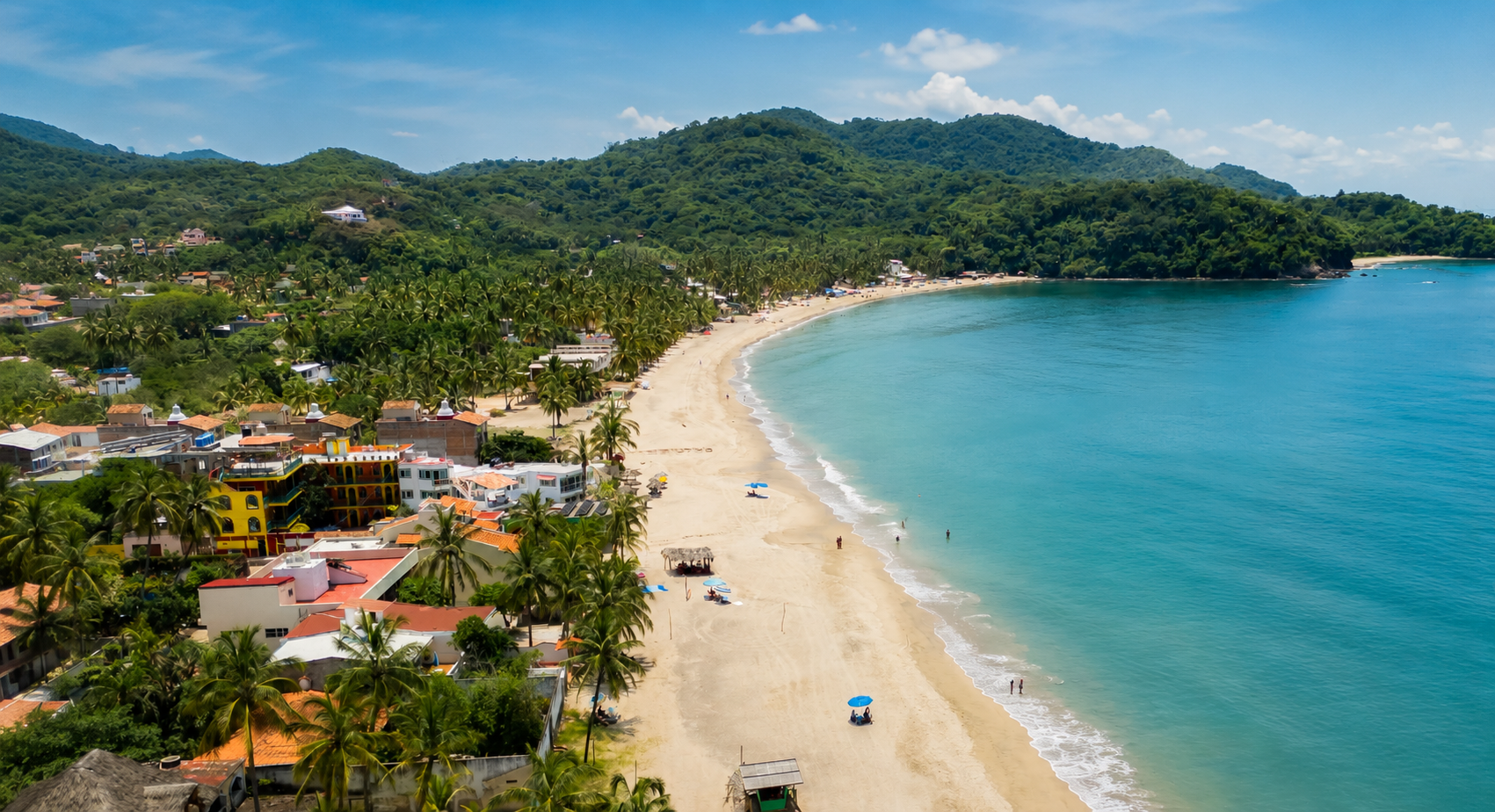
  • Nuevo Nayarit Beach: Nuevo Nayarit is best for families and resort travelers because its roughly three mile shoreline offers broad golden sand, established hotels, and easy access to tourism services.
  • Sayulita Beach: Sayulita is best for surfing and an active beach town atmosphere because the destination is widely known for surf conditions, restaurants, shopping, and nightlife.
  • Destiladeras Beach: Destiladeras is best for families seeking a spacious beach because its approximately three mile coastline combines open sand with a relaxed setting on Banderas Bay.
  • Bucerías Beach: Bucerías is best for visitors who want beach time combined with restaurants, artisan shopping, and water sports, with kitesurfing forming one of the area’s notable activities.
  • Punta de Mita Beaches: Punta de Mita is best for luxury travelers, couples, and marine excursions because the area combines upscale resorts, beaches, golf, and access to nearby offshore attractions.
  • Los Ayala Beach: Los Ayala is best for a quieter family beach stay because the small coastal community provides snorkeling access and short boat trips to Coral Island and Cangrejo Island.
  • Rincón de Guayabitos Beach: Rincón de Guayabitos is among the Riviera Nayarit Beaches best for families seeking a traditional Mexican beach destination with lodging, casual recreation, and access to Jaltemba Bay attractions.
  • San Pancho Beach: San Pancho is best for travelers seeking a quieter coastal atmosphere combined with art, local culture, and a less resort focused experience just north of Sayulita.

Where are the Best Places to Stay when Visiting Riviera Nayarit?

The best places to stay when visiting Riviera Nayarit are listed below.

  • Nuevo Nayarit: Nuevo Nayarit is best for families and all inclusive stays because the area has extensive beaches, marinas, golf courses, condominiums, and major Riviera Nayarit Hotels and Resorts. Luxury choices include Grand Velas Riviera Nayarit, while numerous midrange resorts and vacation rentals provide lower cost alternatives.
  • Punta de Mita: Punta de Mita is best for luxury travelers, couples, and golf vacations, with premium properties such as Four Seasons Resort Punta Mita and other high end beachfront resorts providing secluded beaches, upscale dining, golf, and resort services.
  • Sayulita: Sayulita is best for surfing, nightlife, restaurants, and boutique accommodation, with options such as Sayulinda Hotel, El Pueblito, Hotelito Los Sueños, and Playa Escondida covering moderate to upscale budgets.
  • Bucerías: Bucerías is a strong choice for moderate budgets and longer stays because visitors can find hotels, condominiums, and vacation rentals close to the beach, markets, restaurants, and local transportation while remaining near Nuevo Nayarit and Punta de Mita.
  • San Pancho: San Pancho suits travelers seeking quieter boutique accommodation, local culture, art, and a relaxed beach atmosphere away from larger resort developments.
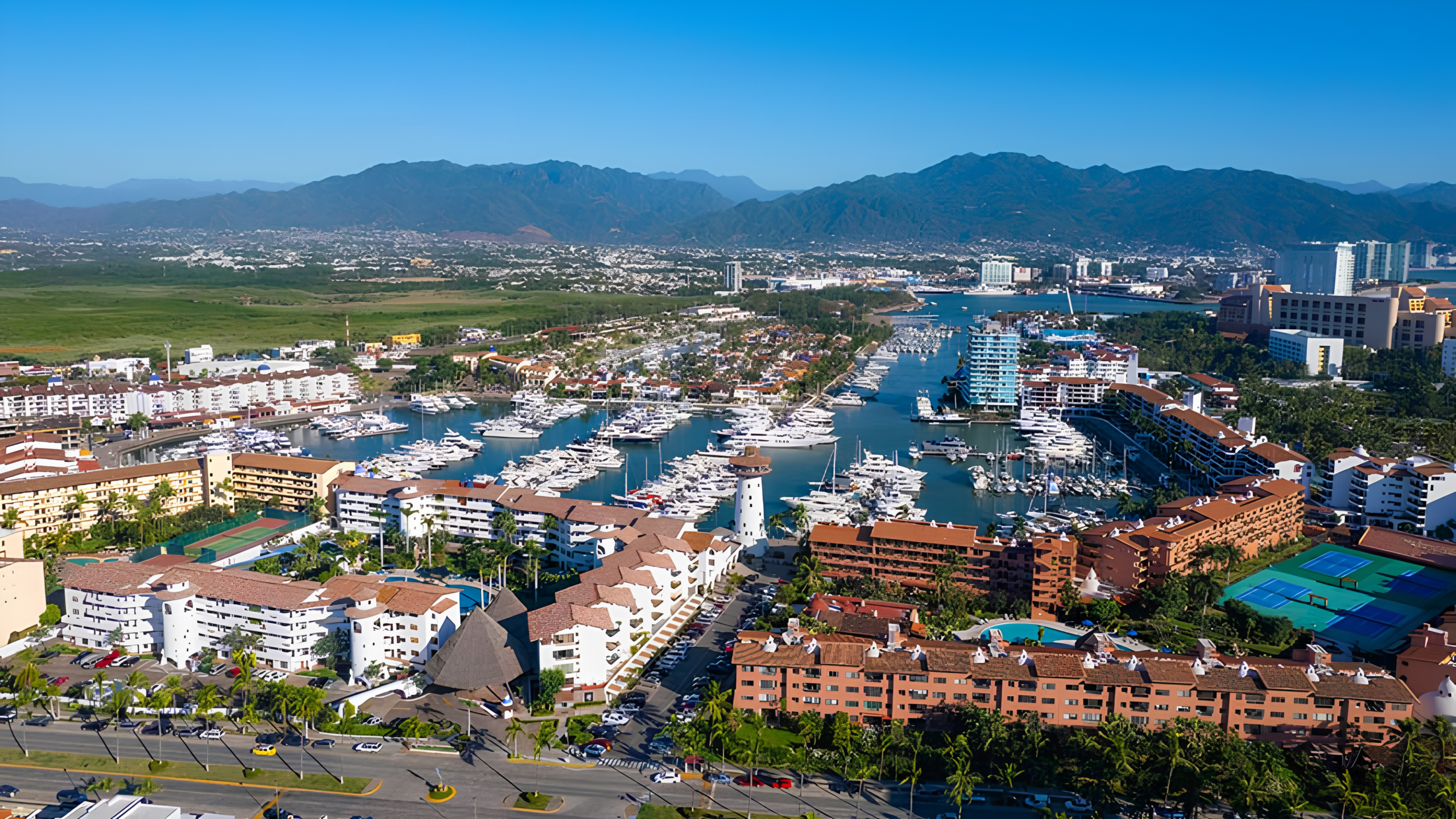
  • La Cruz de Huanacaxtle: La Cruz de Huanacaxtle works well for sailors and longer stays because the accommodation sits close to Marina Riviera Nayarit, restaurants, beaches, and the town’s fishing community.
  • Rincón de Guayabitos: Rincón de Guayabitos is suitable for families and budget-conscious travelers who prefer smaller hotels, casual beach accommodation, and a quieter atmosphere farther north along the coast.

How to Get Around Riviera Nayarit?

Getting around Riviera Nayarit is easiest by rental car, taxi, rideshare, local bus, shuttle, or private transfer, depending on distance, budget, and itinerary. Rental cars offer the greatest flexibility for visiting several coastal towns, while buses and colectivos provide the lowest cost option for established routes between communities. Taxis and rideshares work well for direct local trips, and shuttles or private transfers are practical for airport transportation and hotel connections. Visitors comparing Riviera Nayarit Transportation options should choose a rental car for multi-stop sightseeing, public transit for budget travel, and taxis or private transfers for shorter or more convenient door-to-door journeys. 

How Safe is it to visit Riviera Nayarit?

Riviera Nayarit is generally safe for tourists who stay in established visitor areas and follow standard security precautions, but travelers should remain alert because Nayarit currently carries a U.S. State Department Level 2: Exercise Increased Caution advisory due to crime and terrorism risks. No specific travel restrictions apply to U.S. government employees within Nayarit. The Riviera Nayarit Crime Rate cannot be expressed as one official regional percentage because crime statistics are recorded by state and municipality rather than for the tourism corridor as a single jurisdiction. 

Common tourist risks include petty theft, overcharging, unlicensed transportation, card or ATM fraud, and scams involving tours or rentals, while isolated roads, poorly lit streets, and remote beaches after dark deserve greater caution. Travelers must use reputable transportation, secure valuables, avoid displaying large amounts of cash, confirm tour operators and prices before paying, use ATMs inside banks or other established businesses, and keep 911 on hand for emergencies. 

What are the Top Tips for Visiting Riviera Nayarit?

Top Tips for visiting Riviera Nayarit are listed below.

  • Visit During the Dry Season: Plan travel from November through April for lower rainfall, comfortable beach weather, and easier outdoor sightseeing.
  • Choose the Right Base: Stay in Nuevo Nayarit for resorts, Sayulita for surfing and nightlife, San Pancho for a quieter atmosphere, or Punta de Mita for luxury travel.
  • Book Transportation Early: Reserve airport transfers, rental cars, or shuttles before arrival, especially during holidays and peak winter travel periods.
  • Use a Rental Car for Multi Stop Trips: A car provides greater flexibility when visiting several beaches, towns, landmarks, or northern Riviera Nayarit destinations.
  • Carry Mexican Pesos: Keep small amounts of cash available for buses, markets, tips, local food stalls, and businesses that do not accept cards.
  • Protect Against Sun and Heat: Use sunscreen, drink enough water, wear light clothing, and schedule strenuous outdoor activities during cooler morning hours.
  • Check Ocean Conditions: Review beach flags, currents, surf conditions, and weather forecasts before swimming, surfing, snorkeling, or booking boat excursions.
  • Reserve Popular Excursions in Advance: Book Marietas Islands trips, whale watching, sailing, fishing, and guided tours early during high season.
  • Follow Current Safety Guidance: Use established roads, avoid isolated areas after dark, secure valuables, and keep 911 available for emergencies.
  • Respect Local Culture and Nature: Follow community customs, protect wildlife, avoid leaving waste on beaches, and support local markets, restaurants, guides, and artisans.

How many Days are Best for visiting Riviera Nayarit?

Five to seven days is the best amount of time for a first visit to Riviera Nayarit because the region covers many separate coastal destinations, and the official tourism site recommends itineraries that combine beaches, towns, water activities, culture, and day trips rather than staying in one place. A 3-day trip works for one main base (Nuevo Nayarit or Sayulita) with one beach day, one town or cultural day, and one excursion to Punta de Mita or the Marietas Islands. 

A 5 to 7 day trip allows two to three beach days, visits to Sayulita, San Pancho, Bucerías, and Punta de Mita, plus a sailing, snorkeling, fishing, or nature excursion. A 1 to 2 week stay provides enough time to add northern destinations such as Rincón de Guayabitos, Chacala, or San Blas without rushing between communities. Travelers who want a balanced mix of sightseeing, beaches, food, and excursions should plan about one week, while longer stays suit slower travel and broader exploration of Riviera Nayarit’s nearly 200-mile

Featured Properties

Casa Claire $ 570,000 USD

Casa Claire

Paseo de los Cocoteros 54 NA

3 Beds 3 Baths 2,238 sqft
RINCON DE ALMAS - 101 $ 589,000 USD

RINCON DE ALMAS – 101

CONSTITUCION 130 JA

2 Beds 2 Baths 1,427 sqft
V Boulevard B 1102 - B 1102 $ 716,000 USD

V Boulevard B 1102 – B 1102

Blvd Francisco Medina Ascencio 1428 JA

2 Beds 2 Baths 1,512 sqft
INDAH-Casa Avanti - 9B $ 1,550,000 USD

INDAH-Casa Avanti – 9B

Santa Barbara 478 JA

3 Beds 3 Baths 2,345 sqft
Koralion Living - 1A $ 429,000 USD

Koralion Living – 1A

Las Americas 610 JA

2 Beds 2 Baths 1,309 sqft
Bálica 510 - 510 $ 562,030 USD

Bálica 510 – 510

Alamo 216 NA

2 Beds 2 Baths 1,609 sqft
Los Tigres $ 1,441,000 USD

Los Tigres

Abedul 37 NA

4 Beds 4 Baths 4,754 sqft
Casa Flor Primavera $ 277,000 USD

Casa Flor Primavera

Circuito La Primavera 128 JA

3 Beds 3 Baths 1,321 sqft
Departamento Manyara - 105 $ 358,000 USD

Departamento Manyara – 105

María Montessori 390 JA

2 Beds 2 Baths 1,148 sqft
Quinta San Miguel - 302 $ 490,000 USD

Quinta San Miguel – 302

Paseos de lo Cocoteros 101 NA

2 Beds 2 Baths 1,468 sqft
Coral 38 $ 279,000 USD

Coral 38

Av. Del Mar 301 NA

3 Beds 2 Baths 1,093 sqft
Timone U-401 - 401 $ 342,744 USD

Timone U-401 – 401

Havre 235 JA

2 Beds 2 Baths 1,039 sqft